1,000 Songs: The 25th Anniversary of the Device That Changed How We Listen to Music
Twenty-five years ago, a 399-dollar gadget with 5GB of storage redefined personal entertainment by fitting a user's entire music collection into a pocket-sized deck of cards.
By Rahul Mehta ·
One thousand songs. That was the headline figure that defined the original Apple iPod when it debuted 25 years ago. For a price of $399, the device promised to hold approximately 1,000 typical pop tracks, a capacity that was revolutionary for a pocket-sized gadget in 2001. This milestone marked a significant shift in how consumers interacted with their audio libraries, moving away from physical media and early, clunky digital players toward a seamless digital experience that would eventually precede the smartphone era.
The launch occurred at a pivotal moment for the Cupertino-based company. Under the leadership of Steve Jobs, Apple had successfully navigated the post-dot-com bubble landscape, having established the Mac OS X era with products like the iBook and iMac. Jobs envisioned a future where the Mac served as the central hub for a user’s digital lifestyle, connecting various devices. He identified a gap in the market for a superior portable music player, noting that while competitors like Sony and Creative had offerings, none had yet perfected the user experience for digital music.
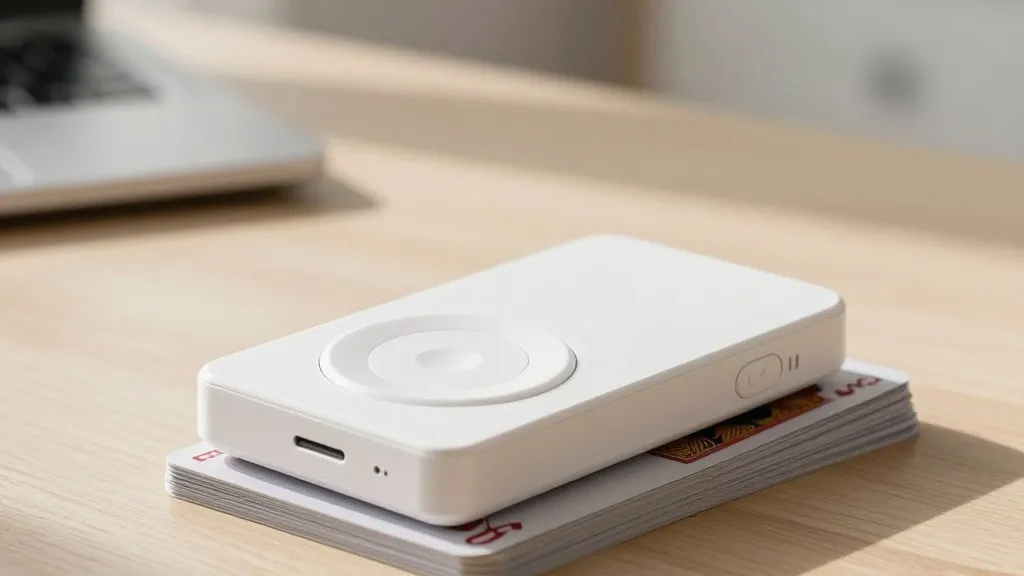
The device's form factor was its most striking physical attribute. Measuring 2.4 by 4 by 0.78 inches and weighing just 6.5 ounces, the player was designed to be the size of a standard deck of cards. This compactness was made possible by Toshiba’s ultra-thin 1.8-inch hard drive. Jobs emphasized that the unit was lighter than most cell phones of the era, making it an easily carryable companion for daily life. The 5GB storage capacity allowed for CD-quality audio playback in popular formats like MP3, WAV, and AIFF, effectively digitizing a user's entire collection.
Beyond storage, the hardware offered specific technical advantages that differentiated it from flash-based competitors. A key feature was the use of a single FireWire 400 cable for both charging and data transfer. This connection was significantly faster than the USB standards of the time; while a USB player might take five hours to sync 1,000 songs, the iPod could transfer an entire CD’s worth of data in as little as five to 10 seconds. Additionally, a rechargeable lithium-polymer battery provided 10 hours of continuous playback, with a quick recharge to 80 percent achievable in just one hour.
The user interface was designed for simplicity and tactile feedback. The device featured a minimal, durable exterior and a scroll wheel that used a piezoelectric clicker to provide a distinct physical sensation with each click, allowing for fast navigation through playlists, artists, or specific tracks. This hardware was paired with software innovations, most notably the launch of iTunes 2 on the same day. The 'Auto-Sync' feature ensured that any library curated on a Mac would automatically update on the player whenever it was connected, eliminating the need for manual file management.
Looking back, the iPod’s impact was immediate, but its dominance was temporary. It sat alongside Apple’s other products for over a decade before the iPhone, which launched in 2007, began to absorb its core functions. The product line continued to evolve, with the final model, the 7th-generation iPod Touch, released in May 2019. Although the line remained on the books for a few more years, it was officially discontinued in May 2022, marking the end of an era that had fundamentally altered the music industry.
The 25th anniversary serves as a reminder of how quickly technology can shift from a niche breakthrough to an indispensable daily tool. By combining compact storage, fast transfer speeds, and intuitive software, the original iPod set a standard for portable electronics that continues to influence device design today.
Source: Tom's Hardware