Cruise Ship Odyssey Halts Round-the-World Voyage as Fuel Costs Leave Residents Without Homes
A Florida-based company has suspended the Odyssey's residential voyage in Cambodia, saying fuel costs linked to the war in Iran made operations unsustainable.
By Marta Greco ·
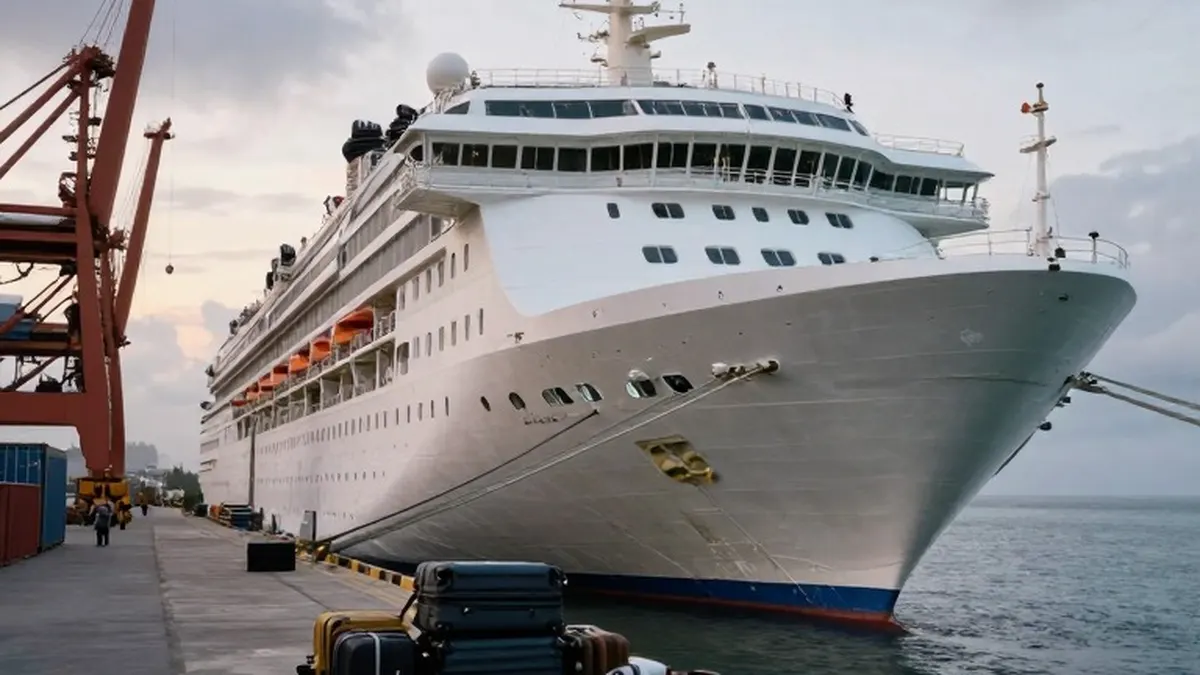
A U.S. cruise ship that served as a floating home for hundreds of people has suspended operations in Cambodia, and its passengers have been told to leave. The company behind the vessel blames a sharp rise in fuel costs.
The Odyssey set out two years ago on a three-year journey to all seven continents. It was marketed as a way to combine long-term life at sea with travel around the world.
Villa Vie Residences, the Florida-based company that runs the ship, said fuel costs per cabin have climbed dramatically. Monthly fuel expenses that historically averaged $1,800 per cabin have recently reached an estimated $6,000 to $8,000 in parts of Asia, which the company tied to the war in Iran.
The company said it tried to cut fuel consumption by slowing the itinerary and spending more time in port, but those steps could not make up for the surge in prices. "We have been unable to continue carrying the resulting operating losses," it said. It added that passing the full increase on to residents was not realistic.
"Our focus now is on supporting residents, crew, and employees" while it tries to restructure, the company said.
Sihanoukville Autonomous Port said in a statement last week that the ship arrived on Oct. 23 for a five-day visit. The Odyssey was expected to continue to Vietnam, but it was still in port on Wednesday.
The vessel was carrying 203 passengers from 15 countries, most of them Americans, along with 156 crew members. Its capacity is 650 residents. Passengers have been told to disembark, though the status of the crew was unclear.
The Odyssey had a confirmed itinerary that stretched into November 2027. The company had also planned to bring a second residential cruise ship into service in early 2029. Its statement on the suspension did not say what would happen to that second vessel.
Source: NPR