Lifelong Republican Becomes Unlikely Leader of Ohio's Data Center Revolt
Attorney Nick Owens helped build Conserve Ohio, a bipartisan volunteer network now pushing local bans on large-scale data centers and a statewide constitutional amendment.
By Ahmed Montgomery ·
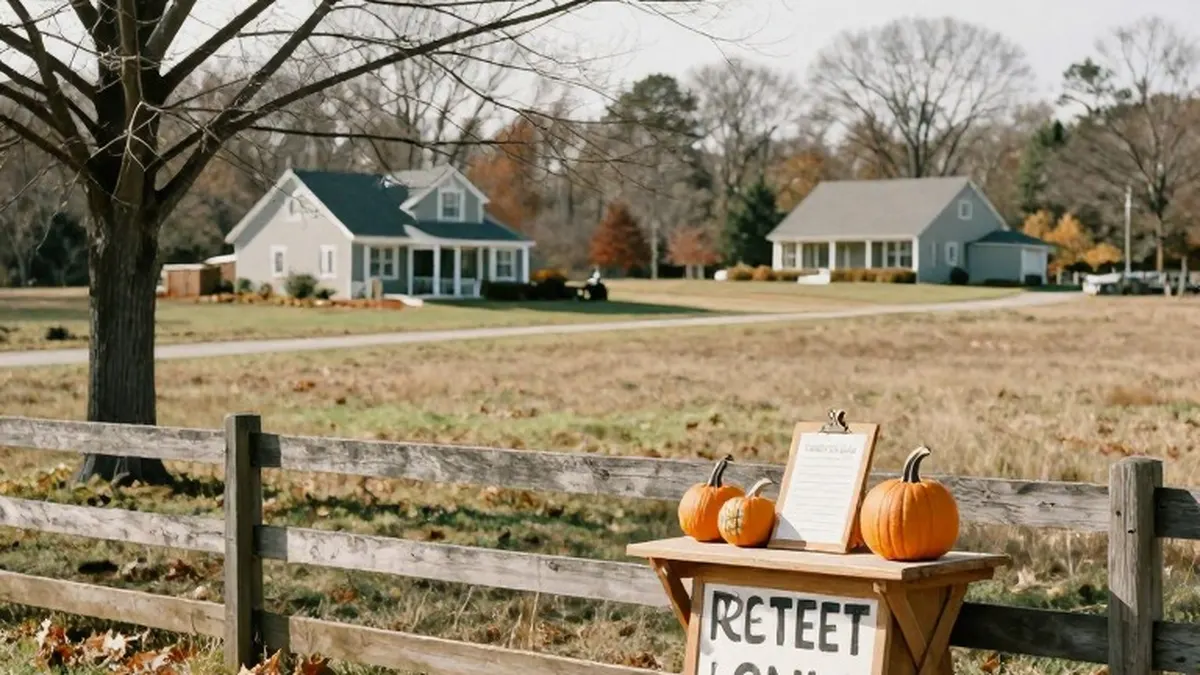
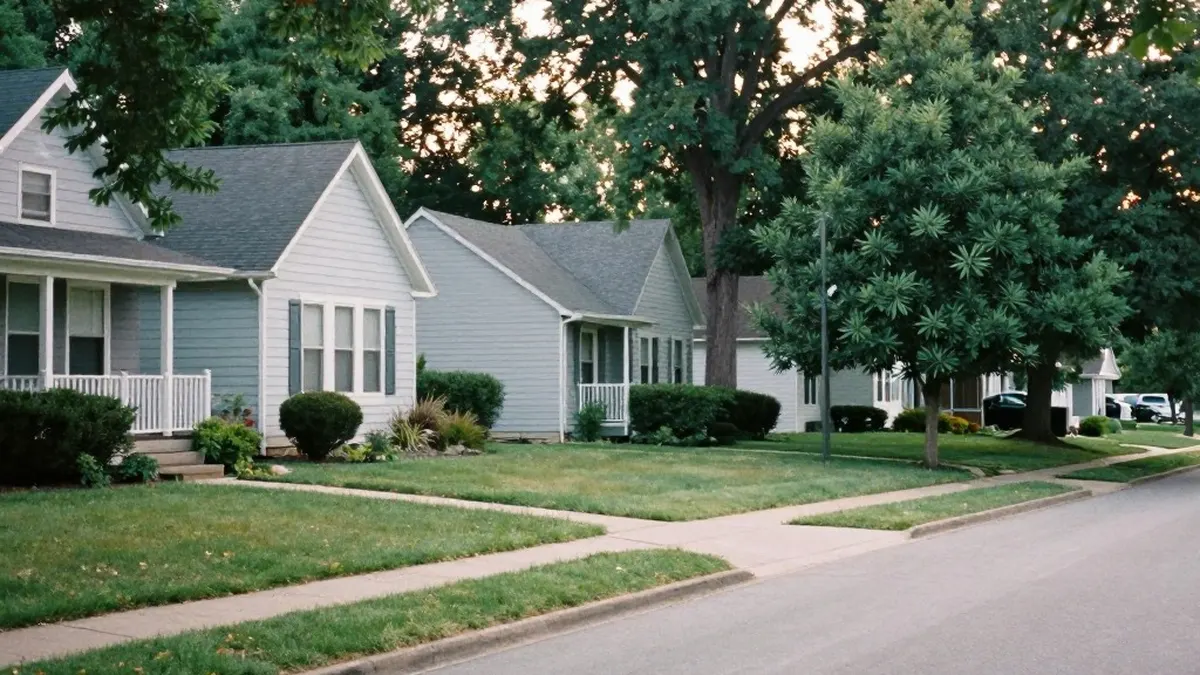
In Mt. Orab, a village of 4,300 people in a rural exurb of Cincinnati, a lifelong Republican and small-town attorney named Nick Owens has spent countless hours trying to learn what is planned for about 1,000 acres of farmland and trees. Property records show the land was sold to a data center developer in 2024 and 2025, and in places it borders two-story family homes.
Nondisclosure agreements have blocked Owens from learning much. Along the way, though, he met another local attorney and a real estate agent who shared his alarm. Together they built a volunteer network reaching nearly all of Ohio's 88 counties, made up of Democrats, Republicans and Independents. They call it Conserve Ohio, and it has become some of the most coordinated opposition to data centers anywhere in the country.
This fall the group is behind ballot initiatives in 10 communities that would amend local charters to prohibit large-scale data centers, the kind used to power artificial intelligence. That goes further than the temporary pauses adopted by hundreds of municipal and county governments. "We're going to find out in ten communities whether or not the communities want them," Owens says. The group is also circulating a petition for a state constitutional amendment banning such facilities statewide, with the aim of reaching voters in 2027.
Tech companies began arriving in Ohio more than a decade ago, attracted by cheap and abundant land, energy infrastructure and generous tax breaks. The state has seen some of the fastest data center growth in the country. The projects bring significant tax revenue, school funding and many construction jobs, along with a smaller number of permanent positions. Owens argues the costs are too high, citing constant noise, emissions and pollution, and noting that hyperscale facilities will require new power plants. "Our community is not for sale," he says. He would consider placing data centers on former industrial sites, though he concedes building on farmland is cheaper and easier for developers.
The issue has become a hot topic in the midterms, including the tight U.S. Senate race. Former Democratic Senator Sherrod Brown calls incumbent Republican Senator Jon Husted "the face of data centers," noting that Husted, as lieutenant governor, welcomed tech firms and championed their data center investments. Husted counters that Brown once supported data centers himself. Husted has also pushed a bill in Congress to make data centers pay for grid upgrades and other costs tied to their energy use. Senate Democrats have blocked it, calling it toothless. Statewide candidates have stopped short of backing the sweeping moratorium opponents want.
Linda Moodie, an independent volunteering with Conserve Ohio, does not trust any statewide candidate to give residents a say. At a recent "Halloween on the Green" event in the Cincinnati suburb of Fairfield, she handed out candy to children and petition clipboards to their parents, and both were well received. "The closer it hits to home, the more people that are going to want to do something," she says.
Owens, who served as a Trump delegate at the Republican National Convention two years ago, would not say how he will vote. He says the data center fight and $6 diesel have dampened Republican enthusiasm, pointing to the lack of campaign yard signs in Mt. Orab. His county, like much of rural Ohio, voted 80% for President Trump in 2024. He expects an enthusiasm gap among rural Republicans to be more pronounced than any among Democrats in cities.
Owens also faults the president's recent posts on Truth Social, in which Trump said communities opposing data centers risk being "backwards and poor" and warned, "If we kill the Golden Goose, you will only have yourselves to blame." Owens calls the remarks "tone deaf." "No one wants to be poor or backwards," he says. "I want our regular way of life."
Construction at the Mt. Orab site has not begun, and it is unclear when it will. On a crisp fall day at the edge of the property, the only sound is birdsong.
Source: NPR
More News · National news · Report a business · Got a Story?