Dermatologist Outlines Laser, Skincare and Diet Strategies to Reverse Sun Damage
A leading dermatologist with the Skin Cancer Foundation says modern laser treatments, daily sunscreen and a nutrient-rich diet can repair skin and lower skin cancer risk.
By Marta Greco ·
Skin is the body's largest organ, and it can reflect overall health. That is the message from Dr. Hale, a leading dermatologist and senior vice president of the Skin Cancer Foundation, who says the skin can reveal signs of conditions such as anemia and jaundice, as well as the effects of toxins and smoking.
Hale, an expert in treating damaged skin, shared science-backed guidance on reversing sun damage and lowering skin cancer risk in an episode of the "Healthful" series published this week. Her advice covers the latest laser technology, daily skin care, food and exercise.
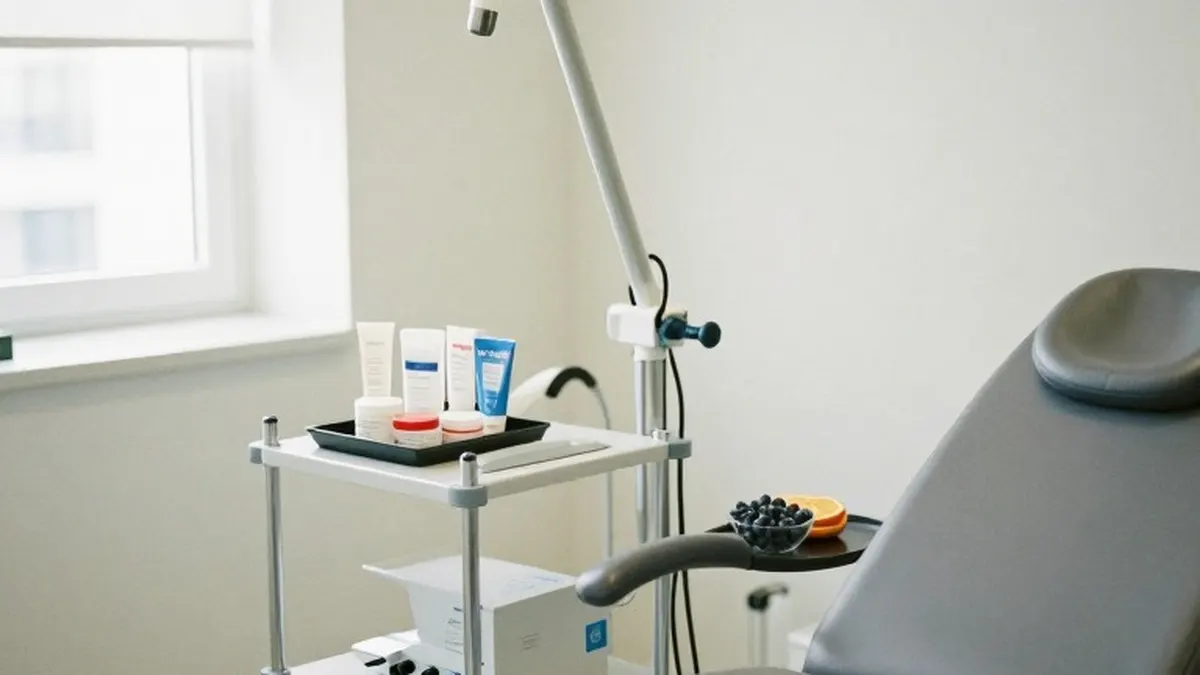
During the visit, Hale performed a Fraxel laser procedure on the host's arms and chest to address sun damage from growing up in Texas. She describes Fraxel as a "fractionated non-ablative laser." Older laser treatments essentially removed the top layer of skin, while Fraxel leaves most of the epidermis intact and delivers energy through the skin's micro thermal zones.
Laser procedures were once seen mainly as cosmetic, a view Hale says she used to share. After 10 years of research, she now points to "really great data" showing the treatments improve appearance and also "decrease your chances for future precancers and skin cancers." Research suggests that lasers such as Fraxel, and pulsed dye laser treatment paired with photodynamic therapy, can reduce the chance of developing basal cell skin cancer. Recovery is also shorter than with earlier procedures, with healing that is "quicker" and "virtually no risk of scarring," according to Hale. She calls the newer treatments "very safe and effective."
Hale says she will not perform a procedure unless a patient is committed to protecting their skin, because otherwise they will "keep incurring more damage." Her top non-negotiable is daily sunscreen: a broad spectrum product with an SPF of 30 or higher, applied after cleansing and moisturizing. She also favors moisturizers containing DNA repair enzymes, used morning and night, which she says help remove some mutations and decrease future skin cancers.
Retinols and retinoids are another tool. Retinoids include any prescription or over-the-counter product containing retinol, which Hale says has plenty of data showing it "really does slow down the aging of the skin." For more heavily damaged skin, she may prescribe retinoids with tretinoin to help remove precancerous cells.
Diet matters too. Hale recommends colorful fruits and vegetables plus protein to support collagen production, and she is wary of collagen supplements unless a medical professional advises them. She stresses antioxidants, which help neutralize free radicals from pollutants, toxins and sun exposure. Blueberries, sweet potatoes and acai are examples, and foods rich in polyphenols, including green tea, may "slow down mutations that are happening in your skin." Vitamin C, found in citrus and in topical products, is "one of the best ways to combat sun damage" alongside daily sunscreen, she said.
Hale also addressed hormones. She noted that a "precipitous drop in estrogen" during perimenopause and menopause can leave skin looking more sallow, wrinkled and sagging. With some exceptions, she believes most women should be on some form of menopausal hormone therapy, which she says is good for the body, muscles and skin. She also approved of using estrogen on thinner skin areas such as under the eyes and neck to slow signs of aging.
Her overall advice is to start with consistent basics: a colorful diet, exercise, water, daily sunscreen and a robust moisturizer. Patients can then discuss prescriptions for problem spots, and later laser or surgical options, with a dermatologist. As the host put it, skin health is whole body health.
Source: CBS News
More News · National news · Report a business · Got a Story?