Trump Moves to Roll Back Biden-Era Methane Rules for Oil and Gas Producers
President Donald Trump announced at a Texas rally that his administration will end methane regulations finalized in 2024, drawing sharp criticism from environmental and health groups.
By Andres Paredes ·
President Donald Trump said Tuesday that his administration will ease federal rules on methane, a powerful greenhouse gas that ranks second to carbon dioxide as a driver of climate change. He made the announcement at a midterm rally in Texas, where he said he was rolling back methane emissions requirements for oil and gas producers that the Biden administration finalized in 2024.
"Tonight, I'm officially terminating Biden's expensive and unnecessary methane regulations to save consumers and energy producers," Trump said. He added that Democrats had "crushed small oil and gas operators" with excessive regulation. He offered no further details.
The Environmental Protection Agency previewed the changes earlier this month, saying it would loosen rules on methane leaks at lower-production oil wells, among other steps. EPA Administrator Lee Zeldin said at the time that Americans "must be able to afford to heat their homes in the winter and fill up their car and drive to work," and that they cannot do so when energy producers are "weighed down by unnecessary burdens." The announcement came one week before the midterm elections, with numerous polls showing high fuel costs are a key issue for many voters.
Methane is the main component of natural gas. It traps more heat than carbon dioxide but breaks down more quickly in the atmosphere. Scientists consider it about 80 times more potent than carbon dioxide over a 20-year span, and it is responsible for roughly one-third of all global warming. It also comes from natural sources such as wetlands. The Biden administration saw cutting leaks from oil and gas production as a relatively fast way to reduce emissions.
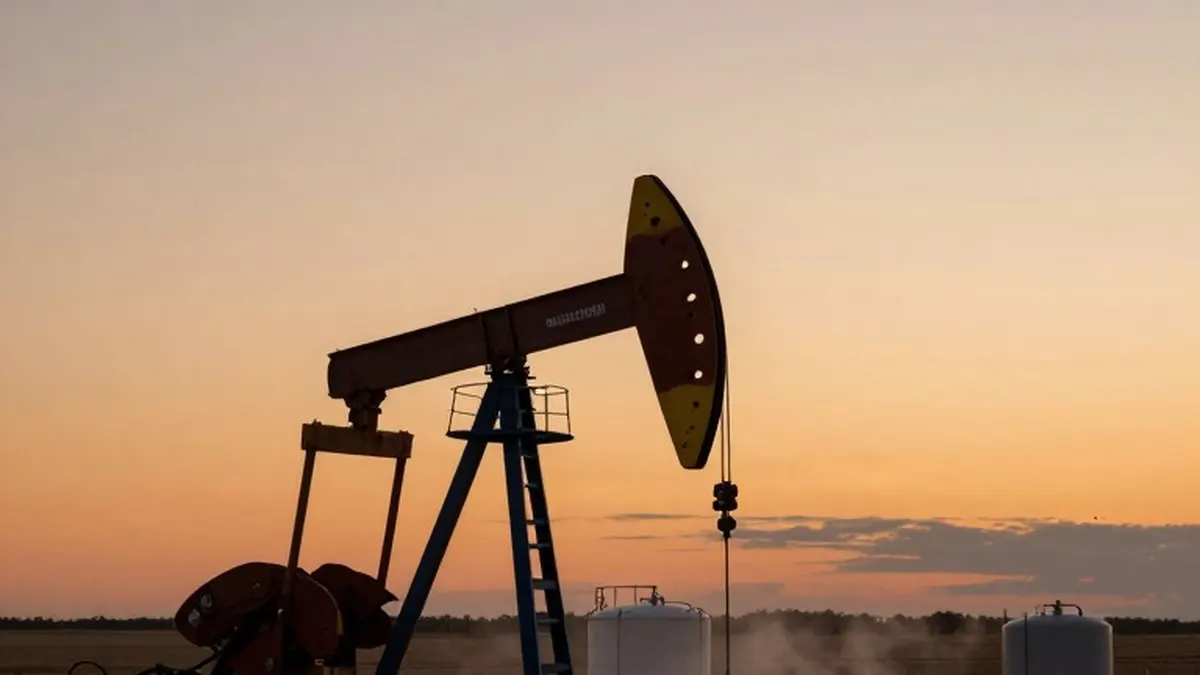
The wells that would be affected, often called stripper wells, produce about 7% to 8% of U.S. natural gas. Research suggests they could account for about 50% of the methane that leaks into the atmosphere. Many are near the end of their lives or at risk of becoming unprofitable. The National Stripper Well Association has pushed for the rollback, writing in a letter last month that compliance costs "will make the wells uneconomical to operate."
The EPA also plans to eliminate its Super Emitter Program, which was meant to let third-party groups report methane leaks from natural gas production. Such leaks are hard to see with the naked eye but can be detected by satellites or special thermal imaging cameras. The administration paused the program last year and is now seeking to shut it down.
Environmental and health groups condemned the plan. Liz Scott, a senior director of national advocacy for the American Lung Association, said a rollback would also raise air pollution from volatile organic compounds released alongside methane. "The pollution that's released alongside methane carries immediate health harms, particularly for communities living near oil and gas sites," she told NBC News. David Doniger, a senior attorney for the Natural Resources Defense Council, called methane leaks one of the "dumbest" forms of pollution because companies lose the product they are selling while harming the planet.
The changes must first go through an EPA rulemaking process that includes a public comment period. If a final rule is adopted, it could face legal challenges, including from a coalition of environmental groups that includes the NRDC. "I would expect it to be another lawsuit," Doniger said.
The move fits a broader pattern. In February, the EPA repealed emissions rules for vehicles, the largest source of carbon pollution in the U.S. Last month it announced plans to loosen emissions limits on coal- and gas-fired power plants, and it has reversed its own endangerment finding, which held that greenhouse gases threaten public health and welfare. Zeldin has described his agenda as an effort to "drive a dagger through the heart of climate-change religion."
Climate impacts continue to intensify. June through August was the warmest such period on record for the contiguous U.S. Copernicus, the European Union's climate monitoring service, reports that last year was the third-hottest in modern history and that the past 11 years are the 11 warmest on record.
Source: NBC News
More News · National news · Report a business · Got a Story?