Five killed in US strike on suspected drug-trafficking boat in eastern Pacific
The operation extended a months-long campaign against suspected cartel vessels as questions persist over the legal basis for the strikes.
By Marta Greco ·
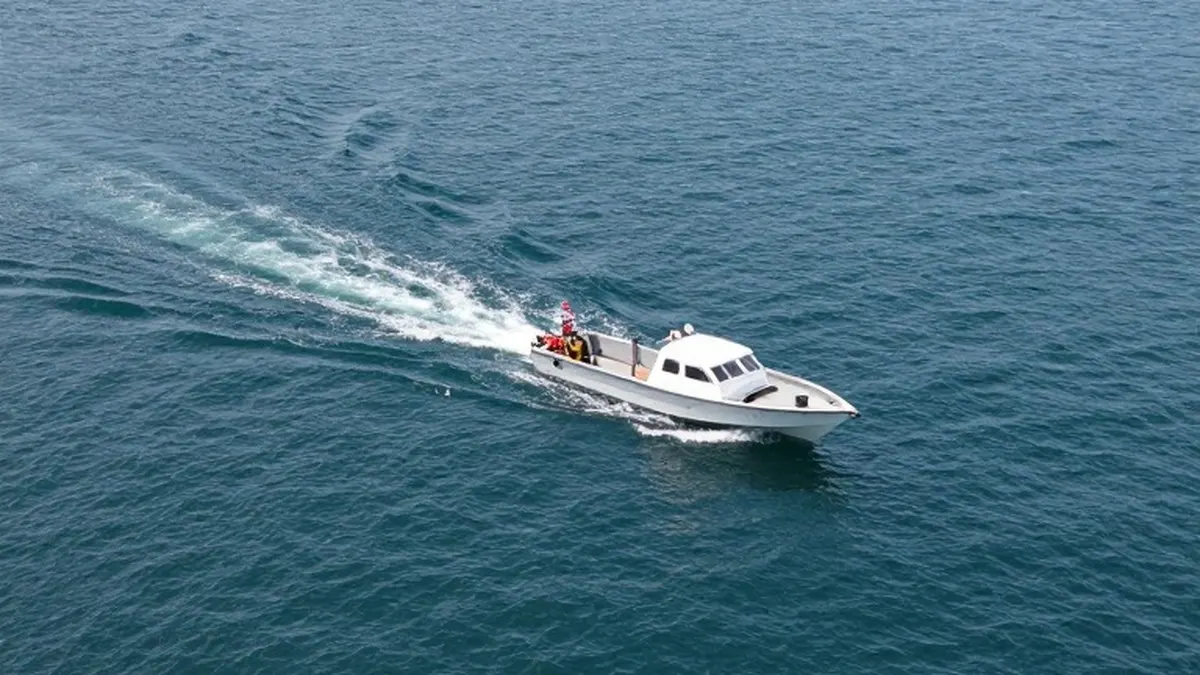
Five people were killed when the U.S. military struck a suspected drug-trafficking vessel in the eastern Pacific on Tuesday, October 27, according to U.S. Southern Command. The command said the boat was involved in narcotics trafficking and characterized those killed as “narco-terrorists.”
Joint Task Force Western Hemisphere carried out the attack under SOUTHCOM’s direction. In its statement, the command described the target as a go-fast vessel traveling along established trafficking routes and said confirmed intelligence showed it was actively involved in the drug trade. SOUTHCOM provided no more precise location for the operation than the eastern Pacific.
Footage released by the command showed a boat on the water before a large fireball engulfed it. The attack was the latest in the Trump administration’s campaign against suspected cartel vessels, which has continued for months. According to The Associated Press, the campaign has involved more than 70 strikes and caused at least 240 deaths.
The military has regularly publicized the operations through statements and videos, describing people aboard the targeted boats as “narco-terrorists” or asserting connections to designated terrorist organizations. Across the campaign, however, it has generally neither named the people killed nor supplied evidence showing that the vessels were transporting narcotics.
Lawmakers, legal specialists and human rights organizations have scrutinized the campaign. Their concerns include whether the use of deadly military force against people suspected of trafficking drugs is legally justified when the operations take place outside a traditional battlefield.
The ongoing SOUTHCOM operations in Latin America and the Caribbean follow comments made in September by Secretary of State Marco Rubio about cooperation with regional partners. Rubio said the United States was increasingly seeking to carry out counter-narcotics operations alongside allies and in accordance with those countries’ laws.
Speaking to reporters, Rubio said Washington had “the capacity to act unilaterally,” but preferred cooperation with allies because it was “the most effective way to do it.” He also said the military would “still blow up ships if need be,” with decisions considered individually for each strike or operation.
Other footage SOUTHCOM has published in recent months has shown a different sequence of actions against vessels it alleged were engaged in narcotics trafficking. In those videos, military personnel intercepted and boarded boats, removed the crews and then sank the vessels.
Source: Fox News
More News · National news · Report a business · Got a Story?