Zimbabwe's Platinum Boom Leaves Mining Communities Waiting for Roads, Schools and Clean Water
Residents near Zimbabwe's biggest platinum mines say record export earnings have not translated into basic services, while one operator points to millions invested in local development.
By Ahmed Montgomery ·
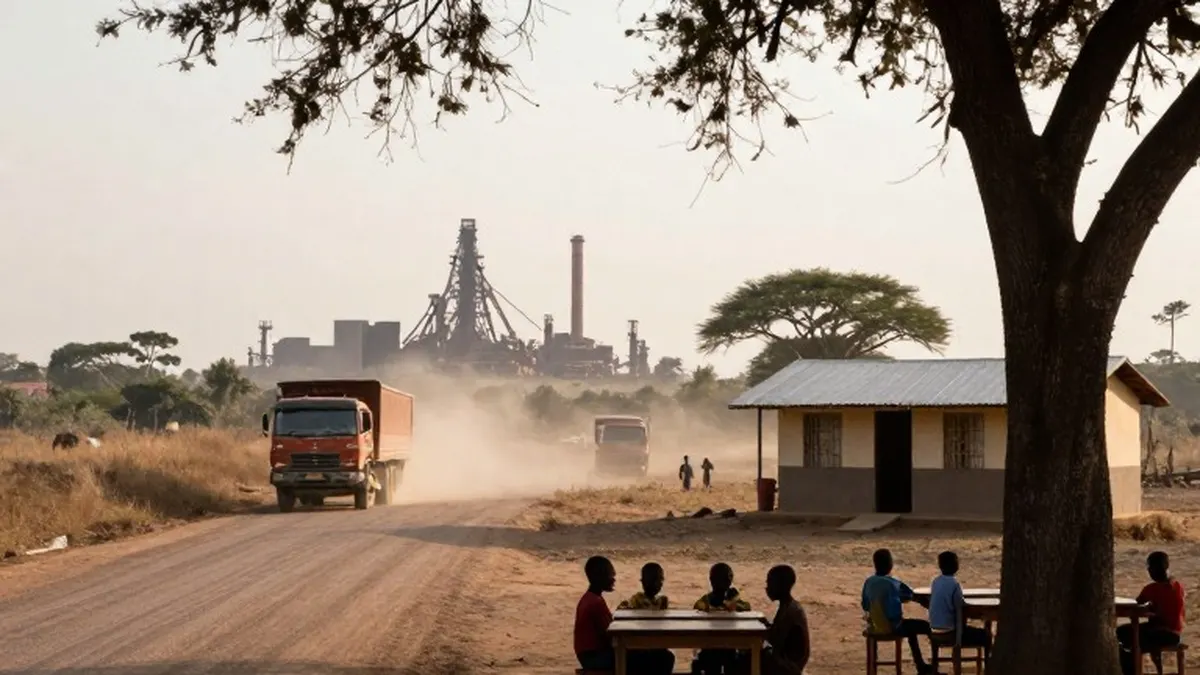
Zimbabwe's platinum industry is bringing in billions of dollars, yet residents of mining communities say roads, schools, water supplies and other basic services have not kept pace with the wealth taken from beneath their land.
Platinum prices reached an all-time high of $2,923 an ounce on January 26, during a wider rally in precious metals and amid continuing worries about supply, according to the World Platinum Investment Council. Zimbabwe holds the world's second largest known deposits of platinum group metals, behind South Africa. Mining makes up about 75 percent of the country's exports and roughly 14.5 percent of its gross domestic product, according to the International Trade Administration in the United States.
The sector earned a record $8.5bn in exports in 2025, up from $5.9bn a year earlier. John Musekiwa, then-president of the Chamber of Mines of Zimbabwe, attributed the rise to strong output and favourable prices, especially for gold and platinum group metals.
In Mhondoro-Ngezi, a major platinum-producing district on the Great Dyke in central Zimbabwe, residents describe a gap between the mines and the villages around them. Zimplats runs mines, concentrators and processing plants there. Ernest Denhere, headman of Denhere village in Ward 3, urged the company and other miners to build a road linking Turf, Benhura, Mamina, Murambwa and Kadhani to the Harare-Masvingo highways. "What is beneath our land speaks volumes," he said. "We need to see a lasting legacy for our communities."
Ward 3 Councillor Emmah Chikwai said children from Jompani, Majoki, Maleti and Makwavarara walk between 15km and 25km to reach Musinambi Secondary School, and she asked the mines to help set up a satellite secondary school in Makwavarara. During a September 7 visit, Al Jazeera saw pupils at Turf Primary School learning under trees as rising enrolment strained the school.
Nearby, women and young men sifted through waste for plastic to sell. Sakina Lice said she has 11 children and nine grandchildren and earns perhaps $20 a month reselling plastic. She asked the mine to empower women so they can start projects and support their families.
Residents also raised concerns about the Ngwazani River, about 100 metres from the dump site, alleging that sewage from the mining area has entered it. Agnes Handidikundiona said the water is no longer clean enough for washing clothes or watering gardens, and that flooding sometimes keeps children from school. She asked for a footbridge. Edson Mabure, whose family was relocated as mining expanded, said nothing tangible had been done to leave a lasting legacy and that he did not know whether the council or Zimplats was responsible.
Ward 11 Councillor Nhomboka Kurebwa Javangwe said the population has grown as workers and their families have moved in. He said Zimplats has built classrooms and houses, but demand still outstrips supply, and he called for the company to build and run a primary school. He added that only the council chairperson is authorised to meet company officials.
Similar calls are being made elsewhere. In Shurugwi, home to the Unki Platinum Mine, residents want investment in classrooms, water, sanitation and roads. Unki said it has invested an average of $1.5m a year in community development over the past five years, and public relations manager Evelyn Mawimba said it has built 63 boreholes, supported 32 schools and contributed $2.75m toward the Impali housing estate. Mimosa did not respond to Al Jazeera, and Zimplats's head of corporate affairs said he would reply but had not done so by publication.
Source: Al Jazeera