1.2 Million Israelis Cast Ballots as Polls Open
The Central Elections Committee reports early high turnout in a tight race between Prime Minister Benjamin Netanyahu and his rival Gadi Eisenkot.
By Ahmed Montgomery ·
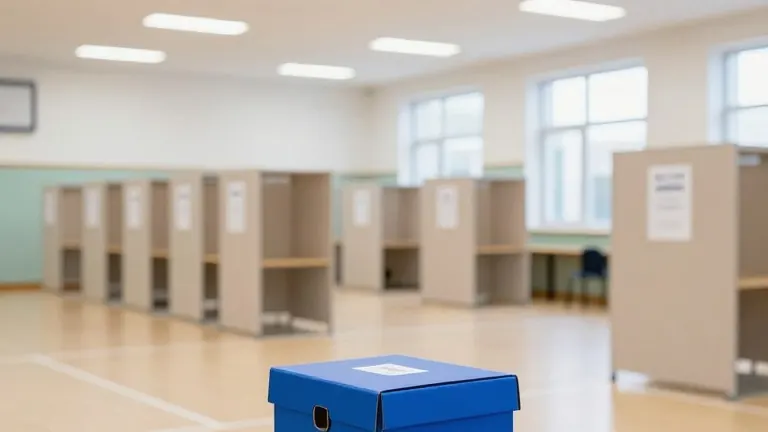
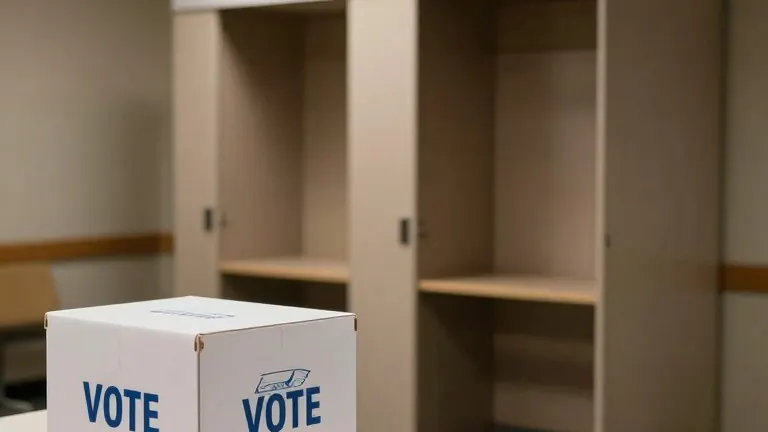
The Central Elections Committee reported that 1.2 million Israelis cast their ballots by 10 a.m. Tuesday, representing 17% of the total vote in a national election widely viewed as a referendum on Prime Minister Benjamin Netanyahu’s leadership.
More than 7.3 million citizens are eligible to vote in the contest, which pits the 77-year-old Netanyahu against former military chief Gadi Eisenkot. Opinion polls indicate a tight race with no clear winner, setting the stage for prolonged coalition negotiations among the approximately a dozen parties expected to clear the 3.25% threshold for parliamentary seats.
Eisenkot campaigned in Ofakim, a southern community attacked by Hamas-led militants in October 2023. He vowed to dismantle the militant group’s governing force within 18 months of forming the next government. Eisenkot noted that he lost his son and two nephews in the war and criticized the current government for not starting the morning near the Gaza border.
In Jaffa, a mixed Jewish-Arab area of Tel Aviv, voters expressed a desire for stability and security. Haim Ron, 69, voted for Eisenkot, stating that he believes Israelers deserve a country where they can raise their children in peace. Other voters in Jerusalem, including Noga Mizrahi who traveled from the kibbutz Nirim, described the election as critical for the nation's future.
Mansour Abbas, leader of the Islamist party Ra’am, voted in his hometown in the Galilee. Abbas suggested that record turnout in Arab communities could help unseat Netanyahu’s right-wing government. His party filed a complaint with the election commission after police arrested three activists in the Negev Desert on suspicion of planning to bribe citizens, a move Abbas called an attempt to influence the results.
Itamar Ben-Gvir, the national security minister and a key Netanyahu ally, also cast his ballot. Ben-Gvir stated that he hopes to become defense minister, a role he believes would benefit the soldiers and the people of Israel. Meanwhile, families of hostages and victims of the 2023 attack held a moment of silence in Tel Aviv before voting.
Polling stations across the country, numbering around 12,000, are staffed by thousands of volunteer monitors and equipped with more than 15,000 cameras to document the process. Ballots are counted by hand at each station immediately after voting concludes. The previous election in November 2022 saw a turnout of 70.63%, while the highest recorded turnout in Israeli history was 86.9% in 1949.
Source: WTOP News