Gulf States Step Up Diplomacy With Iran as Fears of Renewed War Grow
Saudi, Pakistani, Turkish and Qatari officials met Iranian leaders in Tehran to head off renewed conflict, but analysts doubt a lasting regional security pact is within reach.
By Marta Greco ·
Gulf countries have intensified diplomatic contacts with Iran in an effort to calm tensions across the Middle East. The push comes amid concern about possible new US strikes on Tehran and escalating hostilities between Iran-backed Houthi rebels in Yemen and Saudi Arabia.
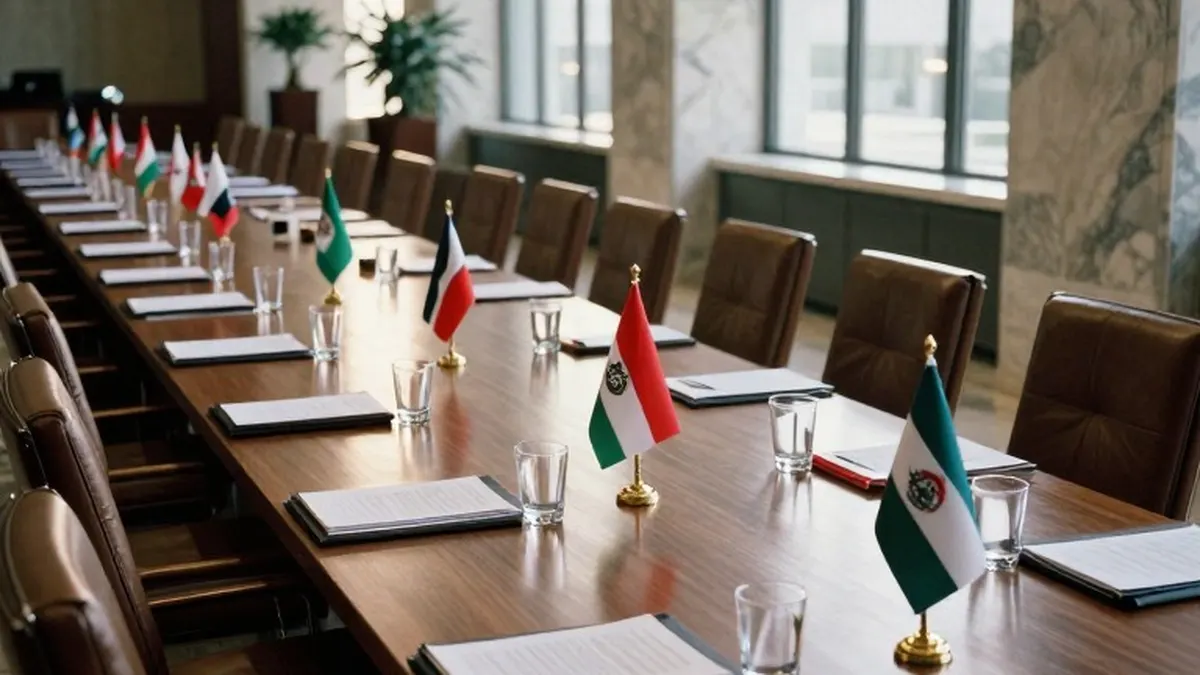
On Monday, officials from the three countries that signed the Mecca Joint Defence Agreement in August, Pakistan, Saudi Arabia and Turkiye, met senior Iranian figures in Tehran, along with diplomats from Qatar. The aim was to stop a return to all-out war. Saudi Defence Minister Prince Khalid bin Salman Al Saud attended, only days after Houthi fighters aligned with Iran struck Saudi airports, ports and oil facilities.
Also on Monday, Omani Foreign Minister Badr Albusaidi spoke during a visit to the University of Cambridge in the United Kingdom. He called for a regional security framework, including a "non-aggression pact", between Gulf states and Iran, under which the United States would no longer be the main security provider.
The urgency reflects the damage already done. The earlier conflict restricted passage through the Strait of Hormuz, disrupted global oil and gas supplies and hit energy facilities and infrastructure in Gulf states. Questions remain over whether any regional deal is achievable and what it would mean for ties between the US and the Gulf Cooperation Council.
Last Friday, US President Donald Trump repeated warnings that Washington could mount another military operation against Iran, as rising fuel prices weigh on the US midterm elections set for November 3. Iran's Islamic Revolutionary Guard Corps said it would respond more forcefully to any new US action, raising fears of a wider escalation.
The Tehran meeting was the first high-level contact between Iran and the Mecca pact nations since the US-Israel war on Iran began on February 28, but reports suggest no agreement was reached. Reuters reported that Qatari mediators gave Iran a draft deal on Sunday, with a response expected by the end of the week. On Wednesday, the agency quoted Iranian officials as saying the Qatari ideas were unacceptable and that Tehran would show no flexibility on the nuclear issue.
Saudi political analyst and academic Khaled Batarfi said the visit showed Riyadh was willing to give Iran a "last warning", but that Iran has so far refused. "The gap is [wide] and what makes it worse is that there is no trust," he told Al Jazeera.
Aniseh Bassiri Tabrizi, an associate fellow at Chatham House in London, said a regional security framework looks unlikely in the coming months or even years. She said smaller, flexible groups of countries are leading efforts at bilateral or multilateral solutions, while a broader framework would need a shared vision that the GCC states themselves do not necessarily hold.
Hamidreza Azizi of the International Crisis Group said the main obstacle is the disagreement between Tehran and Washington over the sequence of commitments. The US wants Iranian concessions, especially on nuclear matters, while Iran insists its own conditions for ending the war come first. He noted that Saudi Arabia and other Gulf states remain deeply integrated into the US security system. The recent war has raised doubts about American guarantees, he said, but has pushed these countries to diversify their security partnerships rather than overhaul their alignments.
Source: Al Jazeera