Senators Approve Algerian Troops for Niger
The 148-28 vote marks the first overseas military deployment since 1973, aimed at protecting gas infrastructure near the Libyan border.
By Marta Greco ·
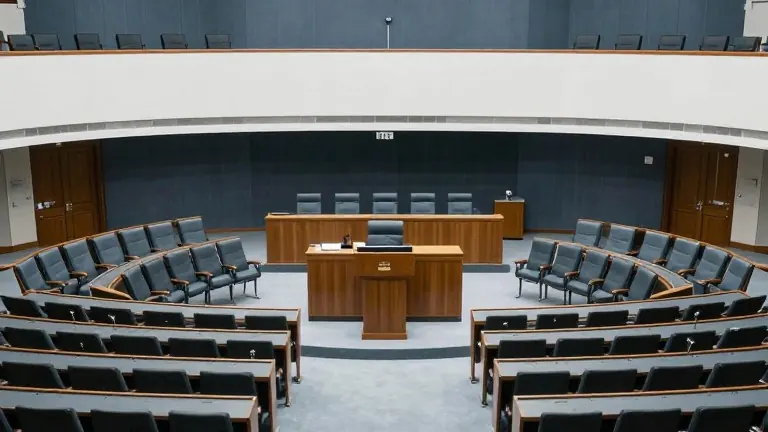
One hundred and forty-eight of the 174 members of Algeria's upper house voted to send soldiers to Niger on Sunday. This decision represents the country's first foreign military deployment since 1973, when forces were sent to Egypt during the Arab-Israeli war. The lower house of parliament subsequently backed the measure.
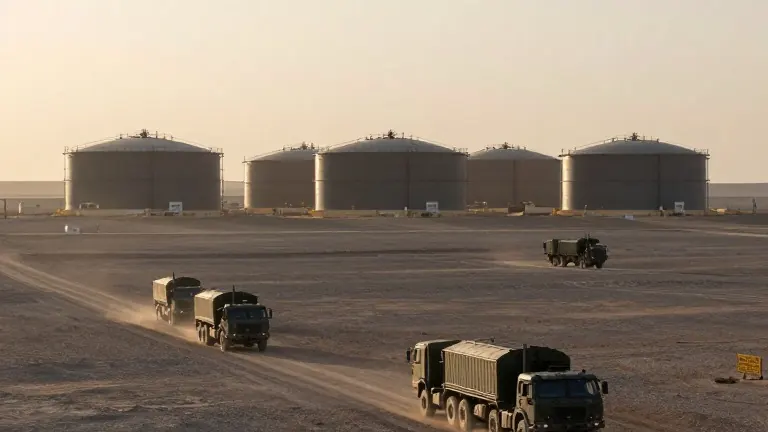
Algeria's economic interests drive the mission. A planned gas pipeline will transport Nigerian gas through Niger to Algeria. The troops are expected to protect these energy facilities in northern Niger, near the Libyan border. Algerian state-owned energy company Sonatrach has also signed an agreement with Niger's petroleum ministry to explore for oil in the Kafra region. Reuters reported that two exploration wells in that area are estimated to contain 168 million and 100 million barrels of oil, respectively.
Senator Belkacem Boulghiti clarified the scope of the operation after the vote. He stated that the goal is not to wage war but to secure economic infrastructure. The deployment follows a visit to Algiers by Niger's defence minister, who sought support against armed groups linked to al-Qaeda and Islamic State. The timing and specific number of soldiers to be deployed have not yet been announced.
The move marks the first use of a 2020 constitutional provision allowing overseas military deployments. This signals a shift from Algeria's long-standing policy against sending forces abroad. The decision comes as the two neighbors rebuild ties after a diplomatic rift in 2025. That year, Niger recalled its ambassador to Algiers in solidarity with Mali after Algeria shot down a Malian drone near the border. Relations have improved since, with Niger's leader visiting Algeria in February 2026. President Abdelmadjid Tebboune also sent fighter jets to help suppress a coup attempt in late August and donated four military helicopters.
Source: BBC News