Can Britain's Struggling High Streets Be Saved? A Birmingham Photographer Says Rates Relief Is Not Enough
As the UK government prepares its budget, a family photography business in Birmingham illustrates the squeeze on independent retailers from rising costs, online competition and rising vacancies.
By Ahmed Montgomery ·
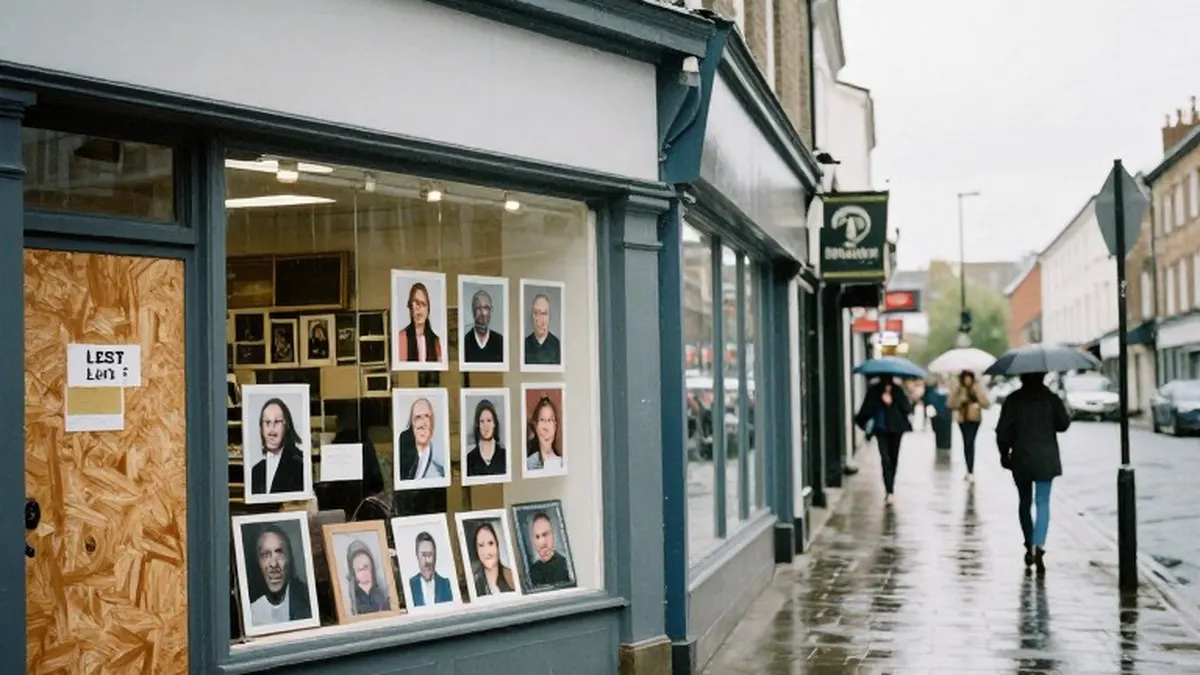
Taking over a family business can bring great pride, but also heavy pressure. Surpreet Suri knows both. His father launched a photography business in Birmingham 40 years ago and, through hard work, grew it to four locations across the city.
Today the family runs a single shop, in a prime spot on Kings Heath High Street. Suri is now weighing a move. The current site brought greater visibility, but also far higher running costs, and he says the business has reached a point where leaving is a serious option. "We are at a point now where we are seriously considering how do we get out of this space purely to reduce costs," he told Al Jazeera.
His experience reflects a wider struggle on Britain's high streets as the government presents its budget on Wednesday. Attention is focused on whether more relief from business rates, a property-based tax paid by businesses in commercial premises, could help smaller firms. Some smaller properties already qualify for relief.
For Suri, rates are only one part of the problem. He also pays rent, VAT, wages and pensions, and faces rising energy and specialist material costs. Refilling one of his professional printers with ink costs about 2,000 pounds ($2,664). He says he pays himself less than the minimum wage of 12.21 pounds ($16.26) per hour. "When I say that I live month to month, I literally mean that," he said.
Online competition adds to the pressure. Internet retailers now account for 28 percent of UK retail sales, and Suri says customers who want specialist, personalised quality often expect prices that match online rivals. "People come to me wanting the quality that we provide, but they want me to match online pricing, which I simply can't do," he said. He added that he does not blame customers, who are also dealing with the cost-of-living crisis.
The strain is visible on the street. Boarded-up shopfronts are more common, and pawnbrokers, betting shops, vape outlets, charity stores and big chains have taken units that small owners can no longer afford. An estimated 14 percent of high street retail units are vacant. One Birmingham shopper said the area is "just the same up here all the time now," while another said online shopping is more convenient and that in town "there's no inspiration." The second shopper still wants more distinctive local businesses and says the government should make it easier to open them.
The problem extends well beyond Birmingham. At a parliamentary inquiry into revitalising high streets earlier this month, Andrew Goodacre, chief executive of the British Independent Retailers Association, argued that recent business rate reforms had failed to deliver the intended benefits for smaller retailers. He said some independent shops face higher bills while a large supermarket near his home was set to pay substantially less.
The inquiry also heard that law-abiding businesses may face unfair competition from operators that evade tax. Politicians were told that some central London souvenir shops allegedly use successive limited companies to avoid tax, allowing them to pay rents that compliant businesses cannot match. The evidence points to a need for enforcement alongside tax reform, and to warnings that cutting business rates alone will not halt the decline of high streets.
Suri agrees. A rates cut would be welcome, he said, but is "a small step in the right direction." He challenged the Chancellor of the Exchequer to spend a month or two running a real high street business to feel the pressures first-hand. "If [the government] makes it easier to actually run an independent business successfully, that's the first domino in a positive effect that could really help our country."
Source: Al Jazeera