Anthropic's IPO Filing Lays Out Risks From Existential Threats to Power Shortages
The AI lab's prospectus, made public Monday, devotes more than 90 pages to risk factors that range from catastrophic harm to humanity to data center opposition and slowing demand.
By Ahmed Montgomery ·
Anthropic's long-awaited initial public offering is offering prospective investors a detailed look at the risks of the artificial intelligence business. The company's prospectus, made public Monday, devotes more than 90 pages to risk factors, and many of them go well beyond the boilerplate scenarios usually found in corporate filings.
The document covers a wide range, from the end of humanity to the company's current clash with the Trump administration. Together, the disclosures show how one of the best-funded startups in history views the future of its operations.
The maker of Claude lists numerous ways its models could cause harm, including potentially "catastrophic or existential risks to humanity." The filing says that emphasizing AI safety is imperative, because failing to do so could adversely affect its "brand, business, financial condition, and results of operations." Fierce competition, market pressure and stakeholder expectations make safe development of cutting-edge foundation models especially difficult. Anthropic also cannot guarantee its safety efforts will be adequate, since the technology's complexity makes it hard to anticipate every scenario.
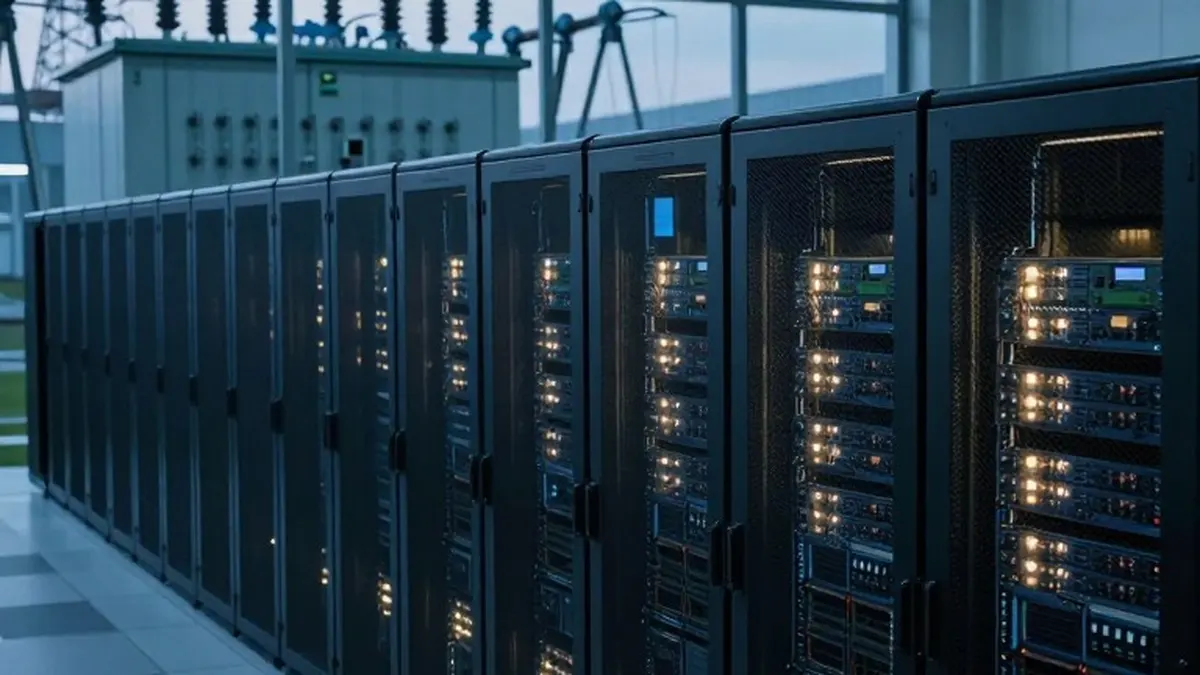
Public sentiment about data centers is flagged as a major risk. Anthropic relies on a growing portfolio of advanced computing facilities to train and maintain its models. With the midterm elections approaching, the industry's data center buildout has become a political issue, and lawmakers in 16 states are weighing moratoriums, according to the National Conference of State Legislatures. The filing says opposition to development "has also become more organized and coordinated across jurisdictions," and that the company's public profile "may draw particular attention to projects associated with us."
Power supply is a related concern. Anthropic's success depends not only on building large data centers but also on the electrical infrastructure to run them. The filing says a lack of "sufficient electrical power" across the country and the world threatens Anthropic and its rivals. Even if energy becomes more available through "on-site natural gas-fired generation," the filing says that power could grow more expensive as demand rises.
Child safety is another area of exposure. Rivals such as OpenAI and Meta have faced criticism from lawmakers and plaintiffs' attorneys over allegations that the design of their AI models and apps contributed to harms involving children. Meta recently agreed to pay roughly $17 billion in a settlement with multiple state attorneys general in litigation over child mental health and technology addiction. Anthropic has so far largely avoided such scrutiny, but the filing acknowledges it could face legal trouble of its own. Its terms of service bar minors from Claude and related products, yet the company says it has work to do to protect children "as adoption of our models grows, including by minors and other vulnerable users, notwithstanding our efforts to restrict such access."
The prospectus also says that moving too slowly is a danger. Anthropic needs to keep advancing, and it needs the broader business world to keep pace. If companies cut back their AI spending, the company could be hurt. "If the market for our models, platform, and applications develops more slowly than we expect or declines, our growth may slow or stall," the filing says.
Finally, the document cites reduced demand for frontier models as a risk. Customers might decide that lower-cost models serve them well enough and that "incremental performance gains at the frontier do not justify the additional cost," and then opt for cheaper or open-source alternatives.
Source: CNBC
More News · National news · Report a business · Got a Story?